
Comparing Gutter Contractor Proposals in Denver: What Should the Scope Include?
A practical guide to comparing written gutter scopes, separating included work from assumptions, and resolving proposal differences before selecting a contractor.
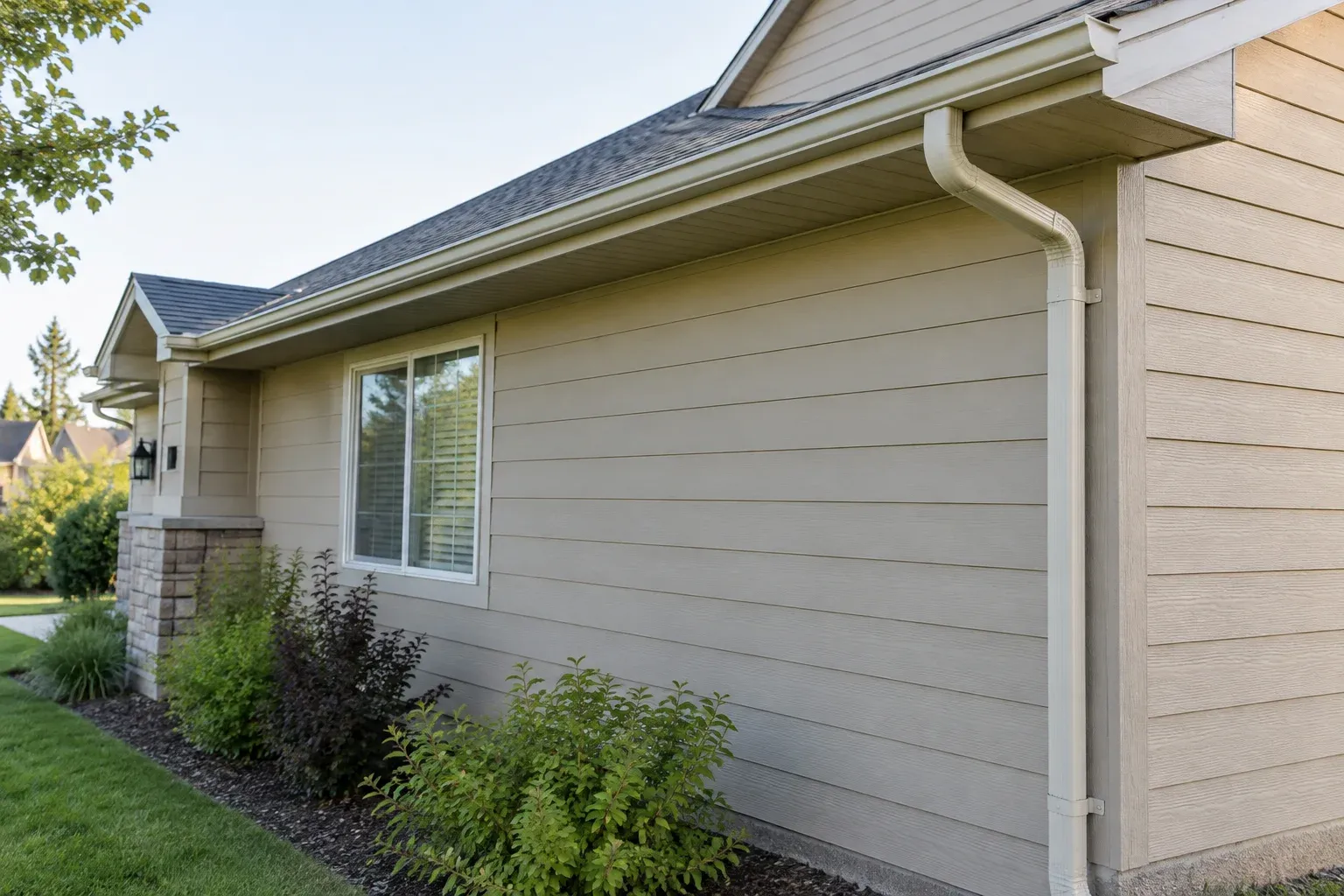
Compare the Work Before Comparing the Total
Choosing a Contractor for gutter work in Denver starts with a question more useful than which proposal has the lowest total: are the proposals describing the same work? One may include every gutter section and downspout, while another covers only selected runs. Unless those boundaries are clear, price differences can disguise differences in materials, retained components, finishing responsibilities and cleanup.
This comparison matters for homeowners, rental-property owners, retail operators and managers of office or multifamily buildings. Start with a shared written description, then ask each bidder to identify departures from it. A Contractor service information page provides a service reference, but a page title alone does not establish what a particular proposal includes. The written scope should state what is being offered for your property.
Define the Same Gutter Sections for Every Bidder
Create a simple property reference using ground-level photographs or a building sketch. Label the front, rear and side elevations, then identify each gutter run by its start and end points. Include detached garages, entrance canopies or separate building wings only when they belong in the requested work. This prevents a phrase such as “replace gutters” from meaning different things to different bidders.
Ask proposals to connect quantities to those locations rather than provide only a single overall length. Approximate measurements can be useful, but their status should be clear: are they preliminary quantities or the basis for a fixed scope? For managed properties, identify building numbers and tenant entrances. Note access restrictions around loading areas, customer parking or courtyards so each proposal reflects the same working conditions.
- Identify every included elevation and separate structure.
- Label gutter runs and downspouts consistently across proposals.
- Separate required work from optional alternatives.
- Record access restrictions that could affect the work.

Separate New Components From Items Being Reused
Next, compare what happens to each component. A useful scope distinguishes replacement from reuse for gutter runs, corners, end caps, outlets, hangers, downspouts and brackets. Existing gutter guards also need an explicit decision: remain untouched, be removed and reinstalled, or be replaced. Reusing a component is not automatically a problem, but an unexplained reuse assumption makes two totals difficult to compare fairly.
Material descriptions should be specific enough to identify meaningful differences. Look for the proposed metal, gutter profile, nominal size and relevant thickness specification, along with downspout dimensions. Ask whether color selection applies to both gutters and downspouts. If one proposal recommends a different configuration, request a separate explanation rather than assuming it is equivalent. Keep that alternative distinct from the common scope used for comparison.
Identify Where Downspout Responsibility Ends
Downspout work needs a defined endpoint. “Reconnect existing drainage” might mean attaching to an aboveground extension, reconnecting at an underground inlet, or simply leaving an existing discharge arrangement unchanged. Ask the proposal to identify each connection and state whether adapters, elbows, extensions and supports are included. Attaching a downspout to an existing buried pipe should not be treated as confirmation that the pipe is clear or sound.
If proposals differ because bidders disagree about the underlying problem, resolve that disagreement separately from the scope comparison. The article on checks for persistent gutter overflow offers related background, but symptom diagnosis is a different task from aligning proposals. For the comparison itself, record whether underground piping, discharge relocation or drainage testing is included, excluded or offered as a separately described option.
Make Finish and Cleanup Expectations Visible
Finished appearance deserves its own comparison. Ask how new sections will relate to retained sections in color and profile, recognizing that weathered finishes may not match new material exactly. Clarify whether exposed fasteners, old bracket locations or disturbed surfaces receive attention. Gutter replacement does not, by itself, describe painting, fascia refinishing or repairs to adjacent siding. Those responsibilities should be named rather than inferred.
Cleanup should also describe an outcome. Compare responsibility for removing old metal, collecting fasteners and packaging, and clearing the agreed work area. On occupied commercial or multifamily properties, clarify expectations for keeping entrances usable and communicating temporary restrictions. Ask how the completed work will be reviewed against the written scope, including any photographs or walkthrough requested by the owner. Do not assume those steps are included.

Read Exclusions Alongside the Included Work
An exclusion is not necessarily a weakness; an unexplained exclusion is a comparison problem. Fascia repairs, roof-edge metal, painting and concealed deterioration may sit outside the proposed gutter work. Ask what happens if an attachment surface cannot support the planned installation. The proposal should distinguish known work from conditions that cannot be confirmed beforehand, without presenting an uncertain repair as already necessary.
Where another exterior project overlaps, identify who handles removal, protection and reinstallation. Background on gutter removal and reinstallation planning can help frame those boundaries without turning this comparison into a construction schedule. Ask each bidder to describe how unexpected work would be documented, priced and authorized. If a proposal includes an allowance, clarify what it covers and how the final amount would be determined.
Resolve Differences Before Making the Selection
Build a comparison sheet with one row per decision: gutter locations, materials, retained parts, downspout endpoints, finish work, cleanup and exclusions. Mark each item as included, excluded, optional or unclear. Do not fill gaps with assumptions. Send each bidder the specific questions relevant to its proposal and ask for written clarification that references the proposal date or revision.
For example, if one proposal replaces four downspouts and another retains two, request a comparable version or a clearly separated alternative. Then review the revised totals alongside the remaining differences. The goal is not to force identical recommendations; it is to understand what each recommendation changes. Keep the final scope and accepted clarifications together so later conversations refer to the same document.
Choose With the Scope Differences Understood
A useful gutter proposal gives you a traceable description of what will change, what will remain and where responsibility stops. Before choosing a Contractor in Denver, confirm the same building sections, components, connections and completion expectations across the proposals you are considering. Clear written differences support an informed choice; vague similarities do not. Select with those distinctions visible rather than relying on a total that may describe a different job.
Frequently asked questions
Should competing gutter proposals show exactly the same measurements?
Not necessarily, but differences should be explained. Confirm that both measurements cover the same elevations and endpoints, and ask whether quantities are approximate or fixed. A shorter measurement may reflect a different scope rather than a calculation error.
Does replacing gutters automatically include new downspouts?
Do not assume it does. The written scope should identify which downspouts, elbows, outlets, brackets and discharge connections will be replaced, reused or excluded.
What should happen if concealed damage is found during the work?
Agree beforehand on how unexpected conditions will be documented and how additional work will be priced and authorized. Ask for the affected work and any schedule changes to be explained before approving a revision.