
Contractor Decisions in Aurora: Repair a Gutter Section or Replace the Whole Run?
A practical comparison for Aurora property owners weighing a localized gutter repair against replacement of one continuous run—not necessarily the whole system.
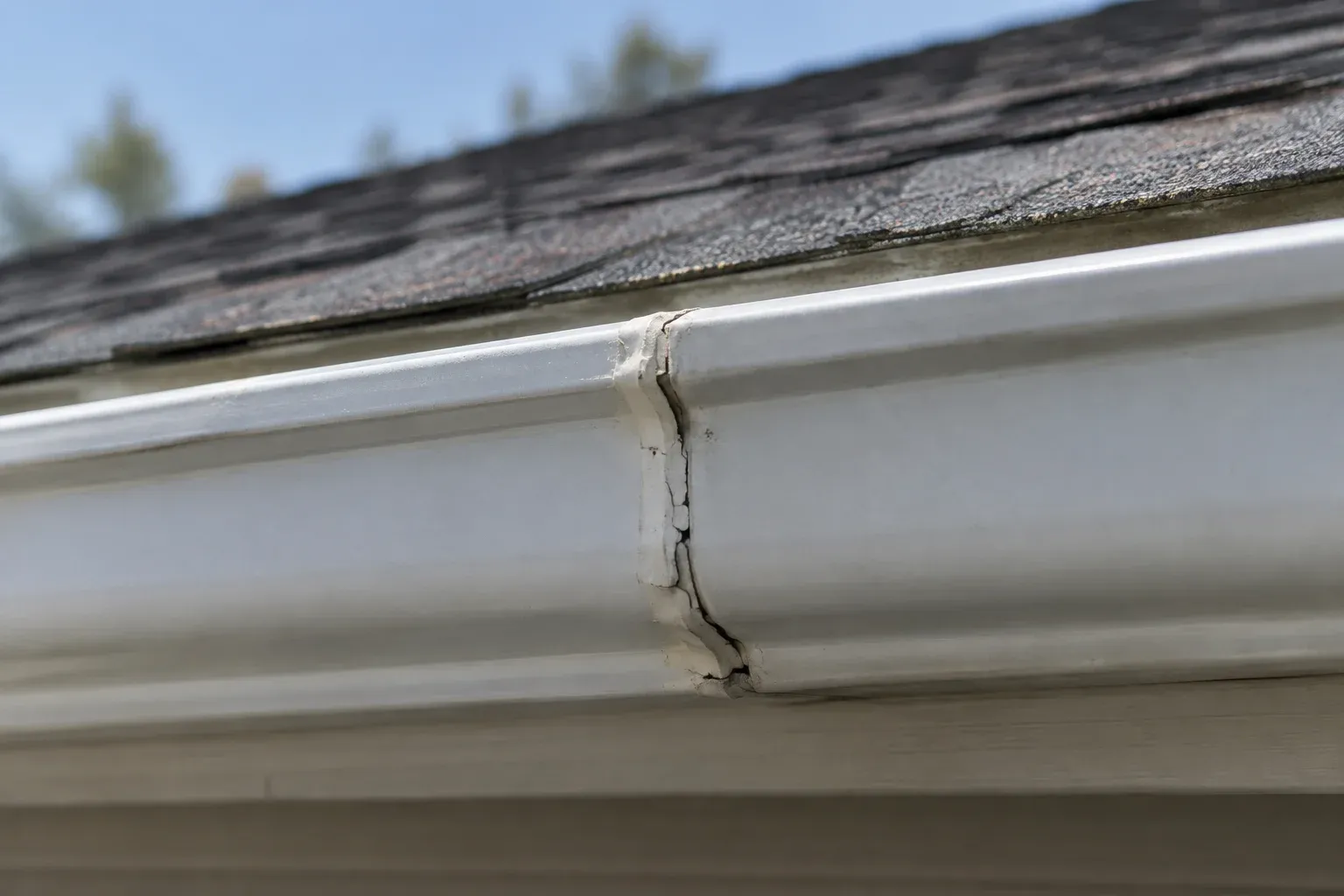
Start With the Repair Boundary, Not the Drip
For Aurora property owners preparing for a Contractor discussion, a leaking gutter raises a practical question: should the work address one defect or replace the continuous length containing it? The answer depends less on the size of the visible drip than on the condition of the surrounding gutter. A failed joint in otherwise sound metal presents a different decision from several distorted sections. Neither a small leak nor an unattractive patch proves that wholesale replacement is necessary.
Preparing for a Contractor conversation means separating the symptom, its likely cause, and the proposed repair boundary. This applies to homeowners, rental property managers, and operators of small commercial buildings with exterior gutters. Compare what each option would correct, what existing material would remain, and whether the connections would still function together. A useful comparison explains why a limited intervention is sufficient—or why retaining the rest of that run could leave the underlying problem unresolved.
Define a Section, a Run, and the Whole System
A gutter run is a continuous length serving a particular roof edge, usually bounded by ends, corners, or another clear transition. Replacing that run does not automatically mean replacing every gutter and downspout on the property. For example, one straight length above a building entrance could require replacement while an independent length on another elevation remains serviceable. The important distinction is between the affected drainage segment and the complete collection network around the building.
Localized work might address a joint, end cap, outlet connection, or a short damaged portion where the gutter design permits a suitable repair. Run replacement addresses the full identified length, but its boundaries still need definition: corners, outlets, hangers, and downspout connections may be retained or changed. The principles in comparing gutter proposals are useful here because two descriptions of “replacement” can cover different components. Ask for the physical start and end points rather than relying on that label alone.
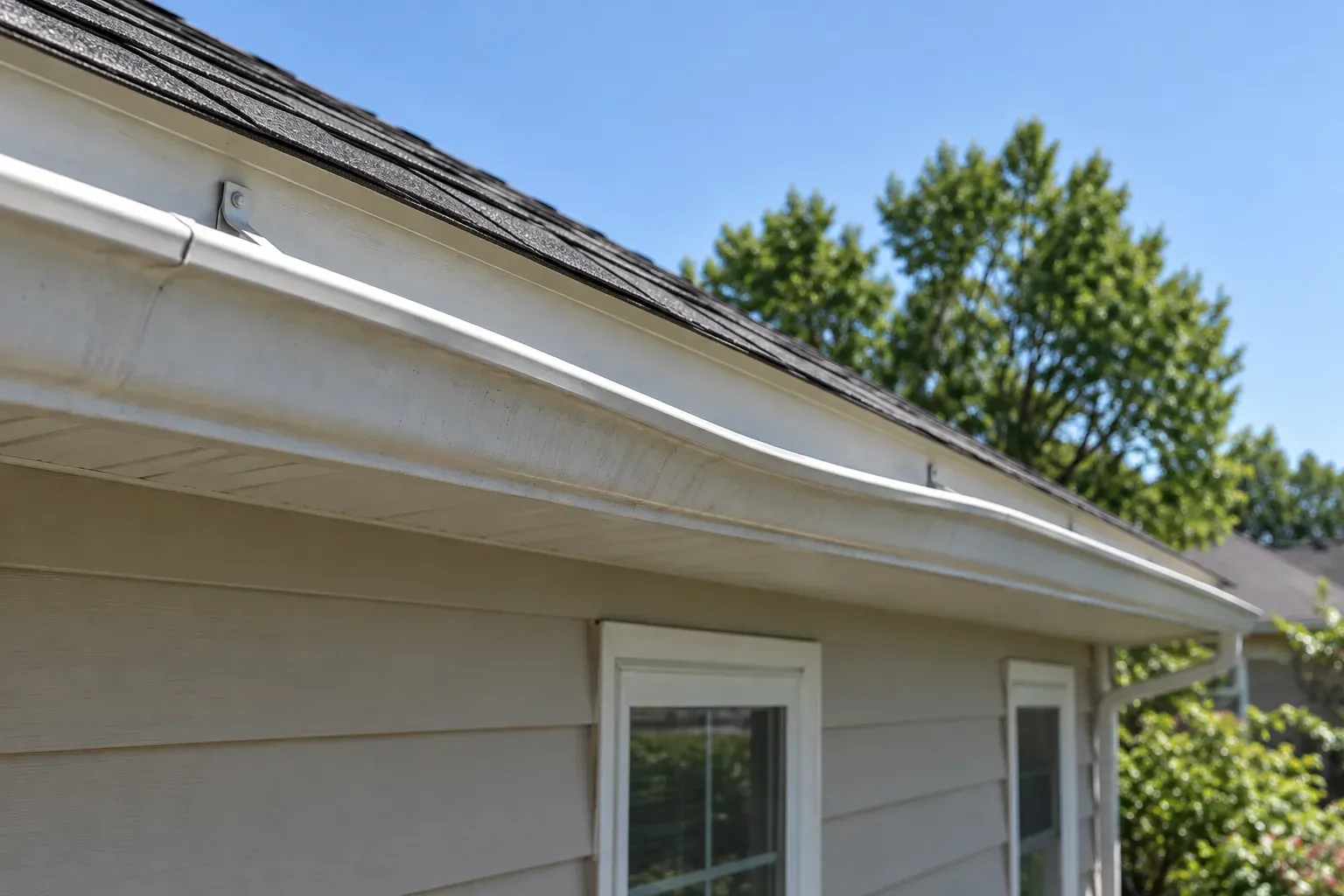
When an Isolated Repair Deserves Consideration
A localized repair is worth discussing when the defect appears confined and the surrounding material retains its shape and integrity. Examples include deteriorated sealant at one joint or an isolated connection problem without widespread deformation. The key question is not simply whether the opening can be covered. It is whether the adjoining surfaces remain suitable for a lasting connection and whether movement or retained water will continue stressing the same spot after the work is complete.
Condition elsewhere along the run matters just as much. A straight gutter with sound adjacent connections presents a stronger case for limited work than one with several separated joints. However, ground-level appearance cannot confirm hidden corrosion, attachment condition, or the state of the supporting fascia. Treat photographs as evidence to discuss, not a final diagnosis. Avoid climbing or reaching over the gutter to investigate; inaccessible surfaces require appropriate access and competent evaluation before a repair scope can be settled.
When Damage Across the Run Changes the Comparison
Replacement of one run becomes more relevant when problems are distributed rather than isolated. Several distorted portions, repeated splitting at connections, or deterioration extending beyond one joint can make a series of small interventions less coherent. A bent front edge alone is not conclusive: its importance depends on whether the gutter channel, alignment, or connections are affected. Ask which defects are cosmetic and which prevent the existing length from doing its job.
Even widespread overflow does not automatically establish that the metal needs replacement. Restricted outlets, unsuitable alignment, or problems farther along the discharge path can produce symptoms across an otherwise intact run. The discussion of clean gutters that still overflow helps distinguish drainage behavior from material failure. Before comparing repair and replacement, ask whether the proposed work addresses the observed cause. New gutter material will not necessarily resolve a restriction that remains downstream of the replaced length.
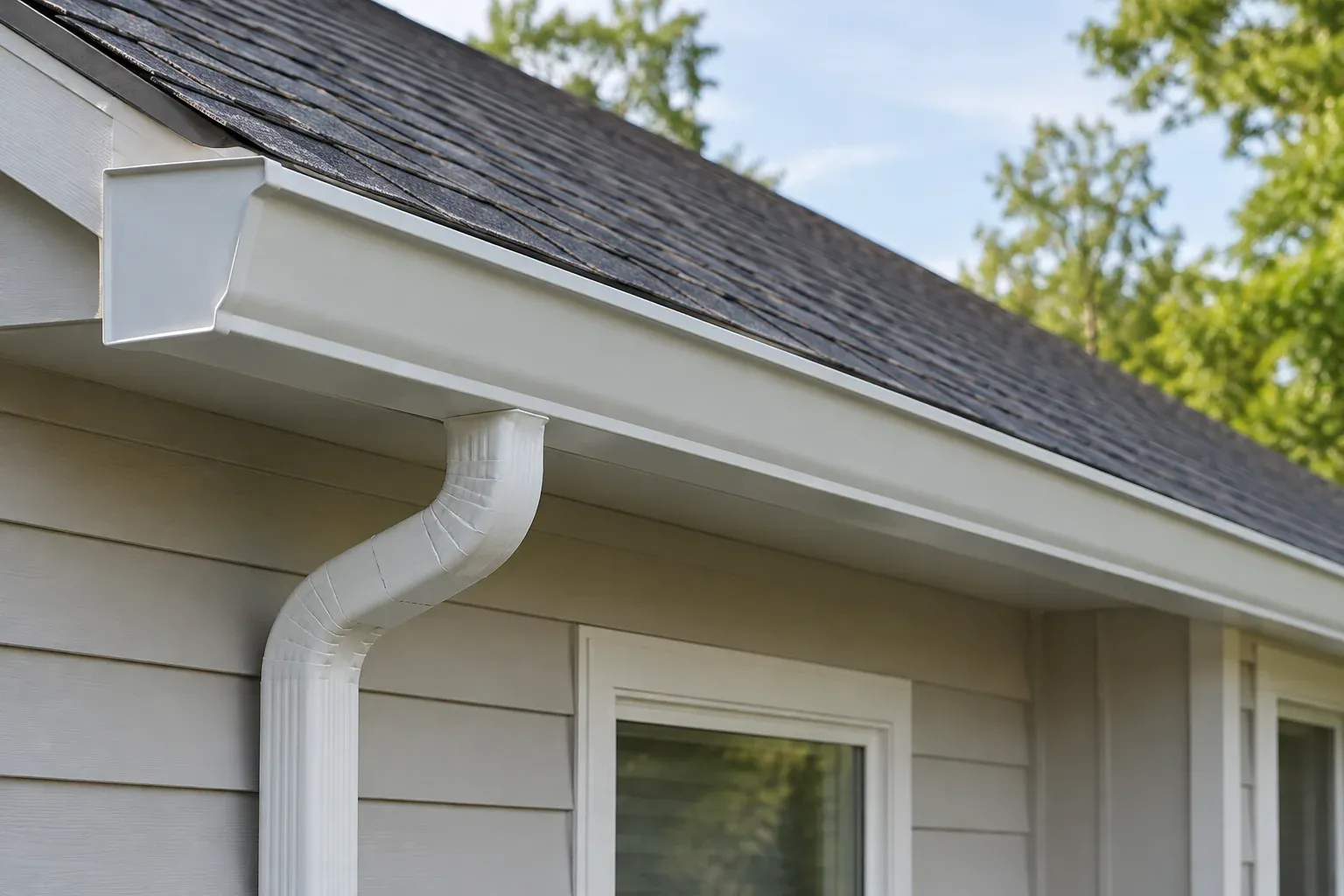
Check What Must Connect to What Remains
Compatibility can determine whether retaining most of a run is practical. A replacement piece needs more than a similar color: its profile, dimensions, material, joining method, and relationship to existing outlets all matter. Components that look alike from the yard may not connect cleanly. Where suitable matching parts are unavailable, ask whether an alternative connection introduces additional joints or compromises the channel shape. That explanation is more useful than a blanket statement that older gutters cannot be repaired.
The same compatibility questions apply when replacing a full run while retaining nearby components. A new outlet must connect appropriately to the downspout, and a retained corner must suit the adjoining gutter geometry. Supporting surfaces also matter; changing the channel does not itself correct deterioration behind it. On storefronts, offices, and shared residential buildings, include the locations of entrances and pedestrian routes in the discussion so the comparison considers where discharged or escaping water would go.
Use the Patching History Without Letting It Decide
Repeated patching has limits when it treats the opening but leaves its cause unchanged. Additional sealant cannot straighten distorted metal or restore a deteriorated supporting surface. Multiple layers may also obscure the original joint and make its condition harder to judge. Still, the existence of an old patch is not proof that replacement is required. Ask where the latest leak originates and whether the previous work failed at the same interface or somewhere nearby.
A short repair history can clarify that distinction. Record the affected location, approximate repair date if known, and whether the symptom returned under similar conditions. Existing photographs can help show whether deformation has spread. Guidance on documenting gutter starting condition offers a useful framework for organizing those observations without attempting a technical inspection. For managed properties, distinguish confirmed maintenance records from tenant recollections so uncertain history does not become the main justification for expanding the work.
Make the Decision About Evidence and Scope
Compare the options against the same facts: the identified defect, the condition of retained material, component compatibility, and the unresolved limitations. A repair explanation should identify why the rest of the run can remain. A replacement explanation should identify why a smaller intervention would be insufficient. Neither option should depend solely on appearance, an unspecified age estimate, or the assumption that all gutters on a building deteriorate at the same rate.
For an Aurora Contractor discussion, the most useful outcome is a clearly bounded decision rather than the largest or smallest possible scope. An isolated joint problem may justify localized work; damage affecting multiple portions may support replacing that continuous run. Whole-system replacement is a separate question requiring evidence about the other runs and connections. Keep those decisions distinct, and ask how the proposed option addresses the cause while preserving components that remain suitable.
- Which specific defects would each option correct?
- Where would the work start and end?
- Which connections and supporting components would remain?
- What limitations would remain after the work?
Frequently asked questions
Does one leaking gutter joint mean the whole run needs replacement?
No. A localized joint problem may support a targeted repair if the surrounding metal, alignment, connections, and supporting surface remain suitable. The visible drip alone does not establish the necessary scope.
Is replacing one gutter run the same as replacing the entire system?
No. One run is a continuous gutter length along a particular roof edge. Whole-system replacement involves the broader collection network, potentially including other roof edges, corners, outlets, and downspouts.
What should I ask when a previously patched gutter leaks again?
Ask whether the failure comes from the joint seal, movement, distorted metal, standing water, or a nearby connection. Then ask what each proposed option would correct and what existing components would remain.